工业阀门采购单上常只写 DN 和 PN,到货验收也照着这两个数对。可真跑半年,高温段内漏、法兰渗、阀杆咬死,回头查铭牌——参数都对,问题出在“常温标称”和“实际工况”不是一回事。
On the purchase order of industrial valves, only DN and PN are often written, and the acceptance of goods upon arrival is also based on these two numbers. After running for half a year, there were leaks in the high-temperature section, flange leakage, and valve stem biting. Looking back at the nameplate, the parameters were all correct, but the problem lies in the fact that "normal temperature nominal" and "actual working conditions" are not the same thing.
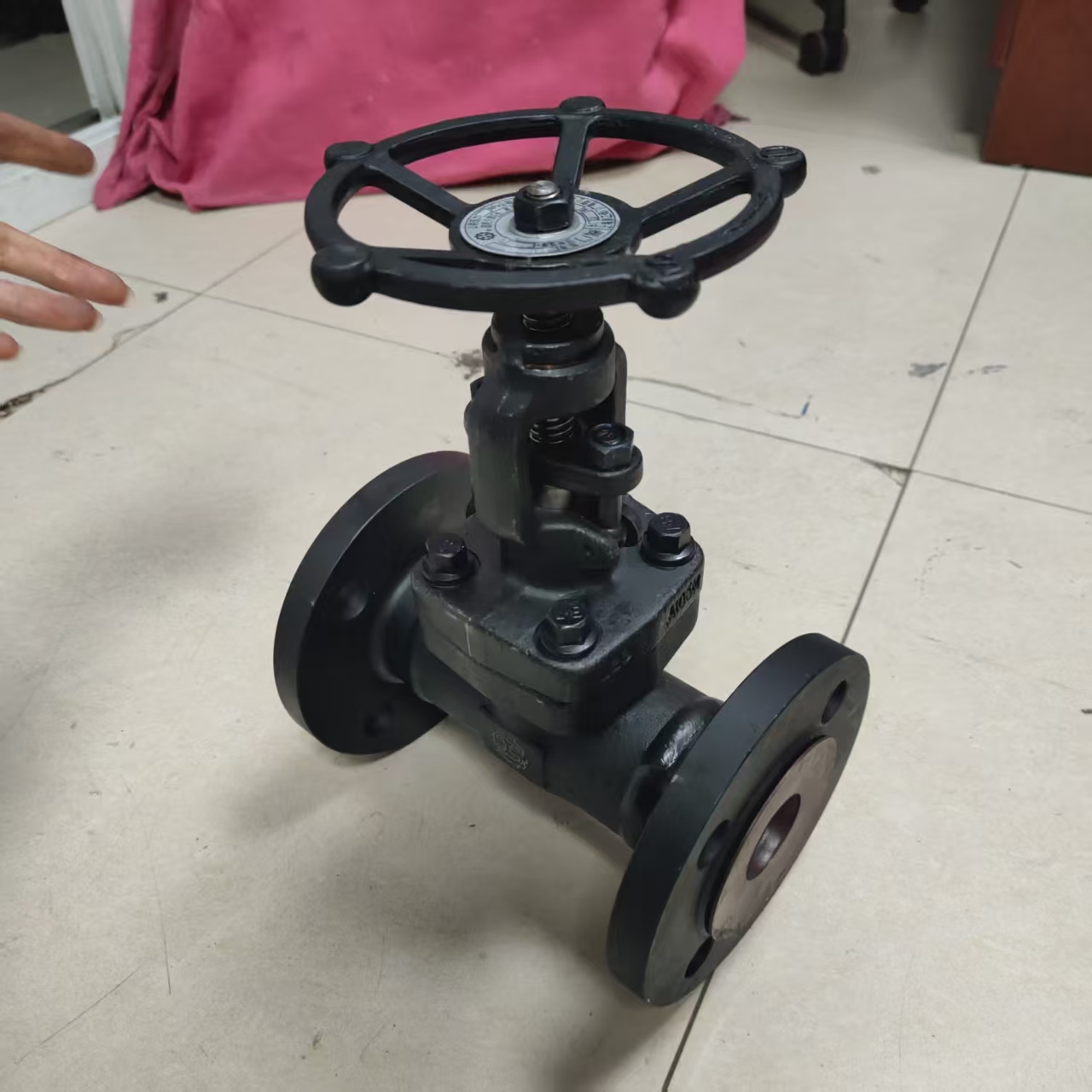
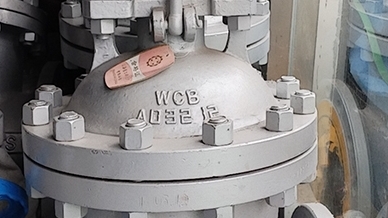
PN16 的意思是 20℃ 常温下允许 1.6MPa。介质温度一上去,允许工作压力往下掉。碳钢 WCB 阀门到 425℃ 附近,承压能力比常温缩水近一半;同样标 PN16,装在 300℃ 蒸汽管上和装在常温水管上,安全余量完全两码事。 美标 Class150 也一样,常温能扛约 2.0MPa,到 425℃ 只剩 1.0MPa 左右。
PN16 means that 1.6MPa is allowed at room temperature of 20 ℃. As soon as the medium temperature rises, the working pressure is allowed to drop. When the carbon steel WCB valve reaches around 425 ℃, its pressure bearing capacity is reduced by nearly half compared to room temperature; Similarly labeled PN16, installation on steam pipes at 300 ℃ and on water pipes at room temperature have completely different safety margins. The same goes for the American standard Class150, which can withstand about 2.0MPa at room temperature, but only about 1.0MPa remains at 425 ℃.
所以选型别只抄 PN,要翻“压力-温度额定值表”,拿设计温度下的允许压力去比实际工作压力,留 1.25–1.5 倍余量。 高温工况别卡边用,卡边就是给半年后内漏埋雷。
So when selecting, don't just copy PN. You need to go to the "Pressure Temperature Rating Table" and compare the allowable pressure at the design temperature with the actual working pressure, leaving a margin of 1.25-1.5 times. Don't use it while stuck under high temperature conditions. Catching the edge means burying lightning within six months.
材质也跟着温度走。普通橡胶密封(NBR、EPDM)一般 80–120℃ 就到头,蒸汽管路建议换金属硬密封或柔性石墨填料;低温工况(≤-40℃)碳钢会冷脆,得用 LCB/LCC 或奥氏体不锈钢加长阀杆。 304 和 316 也不是“不锈钢万能”——含氯离子环境 304 点蚀,得 316L 或双相钢 2205。
The material also follows the temperature. Ordinary rubber seals (NBR, EPDM) usually reach their end at 80-120 ℃, and steam pipelines must be replaced with metal hard seals or flexible graphite fillers; Carbon steel will become brittle under low temperature conditions (≤ -40 ℃), and LCB/LCC or austenitic stainless steel extended valve stems should be used. 304 and 316 are not "stainless steel omnipotent" -304 pitting corrosion in chloride ion environment results in 316L or duplex steel 2205.
到货验收顺手补三件事:铭牌上的 DN/PN/材质/出厂编号和材质单炉批号对得上;试压报告看壳体 1.5 倍、密封 1.1 倍,气体介质要气泡级气密不能拿水压顶;法兰密封面无贯穿划痕、螺纹阀用规通一下。 纸和件对不上,再便宜也是麻烦。
Three things need to be added during the arrival inspection: the DN/PN/material/factory number on the nameplate matches the batch number of the material on the furnace; According to the pressure test report, the shell should be 1.5 times and the seal should be 1.1 times. The gas medium should be bubble level airtight and cannot be pressed with water pressure; The flange sealing surface has no through scratches, and the threaded valve should be threaded with a gauge. Paper and pieces don't match, even if it's cheap, it's troublesome.
阀门不是“口径压力对上就能装”。温度折减查了、材质按介质温度配了、验收三证闭环了,这条管线才真能稳到下一个检修窗口。
Valves cannot be installed simply by matching the diameter and pressure. The temperature reduction has been checked, the material has been matched according to the temperature of the medium, and the three certificates of acceptance have been closed. Only then can this pipeline truly reach the next maintenance window.



 企业公告: