减压阀静密封面损坏的原因减压阀静密封面损坏水减压阀静密封面损坏的原因减压阀密封
The reason for the damage of the static sealing surface of the pressure reducing valve is that the static sealing surface of the pressure reducing valve is damaged. The reason for the damage of the static sealing surface of the water pressure reducing valve is that the pressure reducing valve is sealed
气体减压阀静密封面损坏的原因蒸汽减压阀静密封面损坏
The reason for the damage of the static sealing surface of the gas pressure reducing valve is that the static sealing surface of the steam pressure reducing valve is damaged
之前介绍组合式减压阀在国华惠州热电应用,现在介绍有哪些?
Previously, we introduced the application of combined pressure reducing valves in Guohua Huizhou Thermal Power. Now, what are the options?
密封副不产生相对运动而处在相对静止的状态称为静密封,该密封的表面称为静密封面。密封面损坏的原因有人为损坏和天然损坏两种。
The state where the sealing pair does not produce relative motion but remains relatively stationary is called a static seal, and the surface of the seal is called the static sealing surface. There are two reasons for damage to the sealing surface: human damage and natural damage.
人为损坏,因为设计不周、制造不精、选材不当、装置不正、使用不好和维修不力等因素引起的天然损坏,阀门正常工作情况下的磨损,介质对密封面不可避免的侵蚀和冲蚀等造成的损坏。
Human damage refers to natural damage caused by factors such as inadequate design, poor manufacturing, improper material selection, improper installation, poor use, and inadequate maintenance, as well as wear and tear of valves under normal operating conditions and inevitable erosion and erosion of sealing surfaces by media.
减压阀发生静态密封泄漏的原因减压阀作为液压系统中的重要元件,其主要作用是使系统的出口压力始终处在低于进口压力的水平,保持系统出口压力的稳定,且系统出口压力不受入口压力和流量波动的影响;但是减压阀一旦发生密封面泄漏,不仅影响生产的正常进行,还造成液压油的损失,污染环境;在船用液压系统中,减压阀作为主要控制元件,其密封的重要性是不可小视的。
The reason for static sealing leakage of pressure reducing valves is that as an important component in hydraulic systems, the main function of pressure reducing valves is to keep the outlet pressure of the system always at a level lower than the inlet pressure, maintain the stability of the system outlet pressure, and the system outlet pressure is not affected by fluctuations in inlet pressure and flow rate; However, once the sealing surface of the pressure reducing valve leaks, it not only affects the normal production process, but also causes the loss of hydraulic oil and pollutes the environment; In marine hydraulic systems, the importance of sealing the pressure reducing valve as the main control component cannot be underestimated.
1、减压阀静态密封故障问题的分析经过和相关专家共同研究分析后发现,减压阀的连接套和阀体之间的密封主要是依靠连接套和阀体内壁之间的O型圈进行周向密封,该密封一旦实效,其外泄漏是不可避免的。
1. After joint research and analysis with relevant experts, it was found that the sealing between the connecting sleeve and the valve body of the pressure reducing valve mainly relies on the O-ring between the connecting sleeve and the inner wall of the valve body for circumferential sealing. Once this sealing is effective, external leakage is inevitable.
2、解决减压阀密封问题的措施(1)提高减压阀密封表面质量。(2)保证减压阀密封O形圈的压缩量。(3)增加减压阀端面密封。(4)降低减压阀O型圈和密封面之间的摩擦力。伤和挤伤密封面,使密封外表局部磨损或产生压痕。
2. Measures to solve the sealing problem of pressure reducing valves: (1) Improve the sealing surface quality of pressure reducing valves. (2) Ensure the compression capacity of the sealing O-ring of the pressure reducing valve. (3) Increase the sealing of the pressure reducing valve end face. (4) Reduce the friction between the O-ring and sealing surface of the pressure reducing valve. Injury and compression damage to the sealing surface, causing local wear or indentation on the sealing surface.
机械损伤,密封面在开闭过咱中会产生擦伤、碰伤、挤伤等损坏。两密封面之间,高温高压的作用下发生原子相互渗透渗出,发生粘连现
Mechanical damage can cause scratches, bumps, and squeezes on the sealing surface during opening and closing. Atomic permeation and leakage occur between two sealing surfaces under high temperature and pressure, leading to adhesion
象。当两密封面相互移动时,粘连处轻易拉撕。密封面外表租拙度越高,这种现象越轻易发生。阀门在封闭过程中、阀瓣在回座过程中会碰介质的冲蚀,介质活动时对密封面磨损、冲洗、汽蚀的结果。介质在一定的速度下,介质中的浮游细粒抵触冒犯密封面,使其造成局部损坏,高速活动的介质直接冲洗密封面,使其造成局部损坏,介质混流和局部汽化时,产气愤泡爆破冲击密封面表面,造成局部损坏。介质的冲蚀加之化学侵蚀交替作用,会强烈的浸蚀密封面。电化学侵蚀,密封面互相接触、密封面与封闭体和阀体的接触以及介质的浓度差、氧浓差等原因,都会发生电位差,发生电化学侵蚀,致使阳极一方的密封面被侵蚀。介质的化学侵蚀,密封面附近的介质在不产生电流的情况下,介质直接与密封面起化学作用,侵蚀密封面。装置不正和维修不力导致密封面工作不正常,阀门带病运转,过早地损坏了密封面。选型不当和支配不良所引起的损坏。主要表示在没有按工况前提选用阀门,把截断阀当节流阀使用,导致封闭比压过大以及封闭过快或封闭不严,使密封面受到冲蚀和磨损。
Elephant. When the two sealing surfaces move towards each other, the adhesive area is easily torn off. The higher the roughness of the sealing surface, the more likely this phenomenon occurs. During the closing process of the valve and the reseating process of the valve disc, it will collide with the erosion of the medium, resulting in wear, flushing, and cavitation of the sealing surface during the movement of the medium. At a certain speed, the floating fine particles in the medium collide with the sealing surface, causing local damage. The high-speed moving medium directly flushes the sealing surface, causing local damage. When the medium mixes and vaporizes locally, it produces bubbles that burst and impact the surface of the sealing surface, causing local damage. The erosion of the medium combined with the alternating effect of chemical erosion will strongly corrode the sealing surface. Electrochemical erosion, contact between sealing surfaces, contact between sealing surfaces and enclosed bodies and valve bodies, as well as differences in medium concentration and oxygen concentration, can all cause potential differences and electrochemical erosion, resulting in erosion of the sealing surface on the anode side. Chemical erosion of the medium, where the medium near the sealing surface directly interacts with the sealing surface without generating current, corroding the sealing surface. Improper installation and inadequate maintenance resulted in abnormal operation of the sealing surface, valve malfunction, and premature damage to the sealing surface. Damage caused by improper selection and poor management. Mainly refers to the use of a cut-off valve as a throttle valve without selecting the valve according to the operating conditions, which results in excessive sealing pressure, rapid sealing, or inadequate sealing, causing erosion and wear of the sealing surface.
减压阀(组合式减压阀,可调式减压阀,自力式减压阀密封面加工质量不好,主要表示在密封面上有裂纹。
Pressure reducing valves (combination pressure reducing valves, adjustable pressure reducing valves, self operated pressure reducing valves) have poor sealing surface processing quality, mainly indicating cracks on the sealing surface.
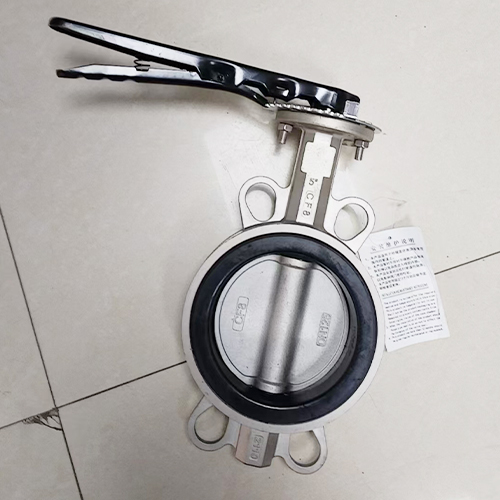
静密封面损坏的原因概括如下:
The reasons for the damage to the static sealing surface are summarized as follows:
纹、气孔和夹碴等缺陷,因为堆焊和热处置规范选用不当以及堆焊和热处置过程中支配不良引起的密封面硬度过高或过低,因为选材分歧错误或热处置不当引起的密封面硬度不匀、不耐侵蚀,主要是因为在堆焊过程中将底层金属吹到上面来了冲淡了密封面合金成分所引起的当
Defects such as wrinkles, pores, and inclusions are caused by improper selection of welding and heat treatment specifications, as well as poor control during welding and heat treatment processes, resulting in excessively high or low hardness of the sealing surface. Uneven hardness and corrosion resistance of the sealing surface are mainly caused by blowing the underlying metal onto the surface during welding, diluting the alloy composition of the sealing surface
1静密封面的表面粗糙度较高,主要原因是使用时间过长,介质浸蚀,维修欠佳。
The surface roughness of the static sealing surface is relatively high, mainly due to prolonged use, medium erosion, and poor maintenance.
2静密封面有明显的压痕,主要是选用垫片硬度过高或混入了砂粒、焊瘤等物所致。
There are obvious indentations on the static sealing surface, mainly caused by the use of gaskets with high hardness or the mixing of sand particles, weld beads, and other substances.
3静密封面有划痕和铲伤.主要是拆卸、清洗过程中违反操作规程,用力不当引起的。
3. The static sealing surface has scratches and dents Mainly caused by violation of operating procedures and improper use of force during disassembly and cleaning processes.
4静密封面严重锈蚀,主要是介质的腐蚀和选埔阀门不当而引起的。
The severe corrosion of the static sealing surface is mainly caused by the corrosion of the medium and improper selection of the valve.
5静密封面有明显的沟槽,主要是静密封面产生泄漏后,没有及时修理,介质冲蚀的结果。
There are obvious grooves on the 5 static sealing surfaces, mainly due to the leakage of the static sealing surfaces that were not repaired in a timely manner, resulting in the erosion of the medium.
6静密封面产生变形,主要是刚度不够,连接力过大,高温下产生热蠕变的结果。
The deformation of the static sealing surface is mainly due to insufficient stiffness, excessive connection force, and thermal creep at high temperatures.
7静密封面有泄漏孔,主要是制造质量不好,引起的皱折、气孔、夹碴等缺陷所致。
7. There are leakage holes on the static sealing surface, mainly caused by poor manufacturing quality, resulting in defects such as wrinkles, pores, and slag inclusions.
3静密封面有裂纹,主要是设计不合理、制造质量差,安装或操作不当,处在交变载荷下而引起的。
There are cracks on the static sealing surface, mainly caused by unreasonable design, poor manufacturing quality, improper installation or operation, and exposure to alternating loads.
经过和相关专家共同分析后发现,该减压阀的连接套和阀体之间的密封主要是依靠连接套和阀体内壁之间的O型圈进行周向密封,该密封一旦实效,其外泄漏是不可避免的。对泄漏部位拆卸进行检查并分析后,认为连接套和阀体之间的密封存在以下问题。(1)阀体密封面不密封。由于减压阀的连接套和阀体之间主要依靠螺纹连接;为了防止螺纹松动,在减压阀组装时,在连接套外螺纹上涂抹紧固胶,紧固胶溢流到0型國的环密封面上,紧固胶凝固后在密封面上形成了凹凸不平的表面,形成泄漏通道,使O形圈内外密封不严,为油液的渗漏留下了隐患。
After joint analysis with relevant experts, it was found that the sealing between the connecting sleeve and the valve body of the pressure reducing valve mainly relies on the O-ring between the connecting sleeve and the inner wall of the valve body for circumferential sealing. Once this sealing is effective, external leakage is inevitable. After inspecting and analyzing the disassembly of the leaking area, it is believed that there are the following issues with the sealing between the connecting sleeve and the valve body. (1) The sealing surface of the valve body is not sealed. Due to the fact that the connection sleeve and valve body of the pressure reducing valve mainly rely on threaded connections; In order to prevent loose threads, during the assembly of the pressure reducing valve, fastening glue is applied to the external threads of the connecting sleeve. The fastening glue overflows onto the sealing surface of the 0-type country ring, and after solidification, it forms an uneven surface on the sealing surface, forming a leakage channel, which makes the sealing inside and outside of the O-ring not tight, leaving a hidden danger for oil leakage.
(2)0型圈压缩量偏低,造成O形圈密封失效。目前,连接套和阀体之间的O型圈的规格为031.47mmxo1.78mm,密封槽深度为1.6mm,O型圈的压缩率为10.1%,远低于正常理论静密封压缩率15%~30%,不能对密封面进行有效密封,从而造成密封失效。
(2) The compression of the O-ring is too low, causing the O-ring seal to fail. At present, the specification of the O-ring between the connecting sleeve and the valve body is 031.47mmxo1.78mm, the depth of the sealing groove is 1.6mm, and the compression rate of the O-ring is 10.1%, which is much lower than the normal theoretical static sealing compression rate of 15%~30%. It cannot effectively seal the sealing surface, resulting in sealing failure.
(3)密封形式本身的缺陷。减压阀连接套和阀体之间的密封依靠0型圈的周向压缩在周向进行密封,虽然该密封形式应用普遍,但是对装配操作要求严格。在装配时,需要O型圈和周向密封面保持垂直状态,否则,0型圈在周向方向容易变为椭圆形,导致O型圈和密封面不能有效接触,终密封失效。对O型圈检查后,发现O型圈的外圆周有划痕,形成油液外渗通道。
(3) Defects in the sealing form itself. The sealing between the pressure reducing valve connecting sleeve and the valve body relies on the circumferential compression of the O-ring for sealing in the circumferential direction. Although this sealing form is widely used, it requires strict assembly operations. During assembly, it is necessary to maintain a vertical position between the O-ring and the circumferential sealing surface. Otherwise, the O-ring may become elliptical in the circumferential direction, resulting in ineffective contact between the O-ring and the sealing surface and ultimately leading to seal failure. After inspecting the O-ring, it was found that there were scratches on the outer circumference of the O-ring, forming an oil leakage channel.
(4)O型圈和密封面的摩擦力过大。由于在安装过程中,0型圈随着密封面一起转动,由于O型圈的硬度相对于密封面来说比较小,容易产生划痕,从而产生渗漏现象。
(4) The friction between the O-ring and the sealing surface is too high. Due to the rotation of the O-ring along with the sealing surface during installation, the hardness of the O-ring is relatively small compared to the sealing surface, making it prone to scratches and leakage.
连接套和阀体之间的密封存在的上述4个问题,是影响减压阀连接套和阀体之间油液渗漏的重要因素,因此解决问题的措施也应该围绕这4个问题。静密封面的损坏足造成阀门泄漏的主要原凼之一,应引起重视。
The above four problems with the sealing between the connecting sleeve and the valve body are important factors affecting oil leakage between the pressure reducing valve connecting sleeve and the valve body. Therefore, measures to solve these problems should also focus on these four issues. The damage to the static sealing surface is one of the main causes of valve leakage and should be taken seriously.


 企业公告:
企业公告: