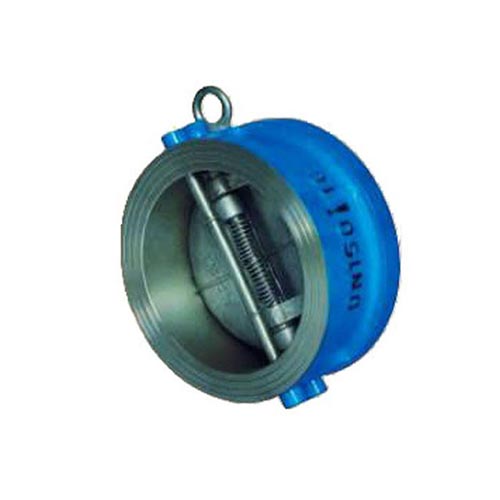
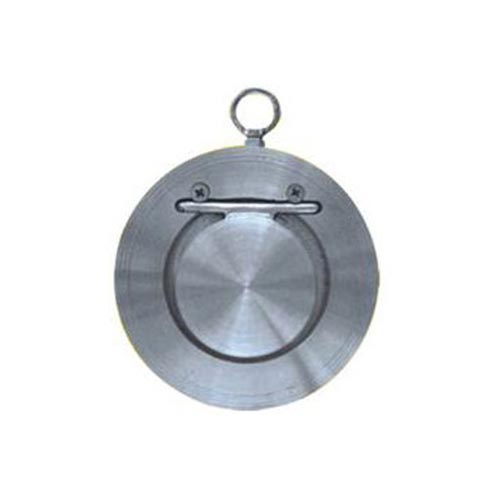
止回阀是一种自动阀门,主要用于防止流体倒流。它的工作原理是依靠流体自身的力量以及阀瓣的自重和弹簧的压力等,当流体正向流动时,阀瓣被推开,流体可以顺利通过;而当流体试图倒流时,阀瓣会迅速关闭,阻止流体反向流动。
Check valve is an automatic valve mainly used to prevent fluid backflow. Its working principle relies on the force of the fluid itself, as well as the weight of the valve disc and the pressure of the spring. When the fluid flows forward, the valve disc is pushed open and the fluid can pass smoothly; When the fluid attempts to flow back, the valve disc will quickly close, preventing the fluid from flowing in the opposite direction.
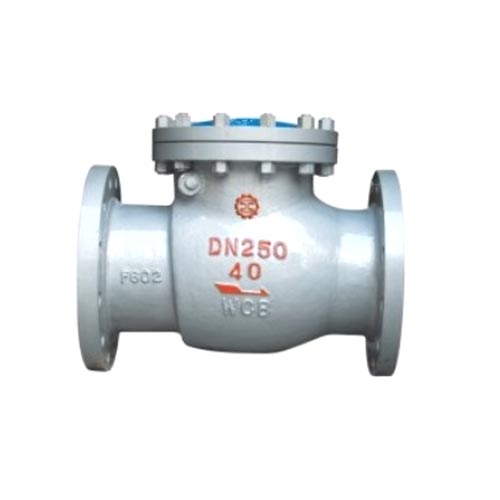
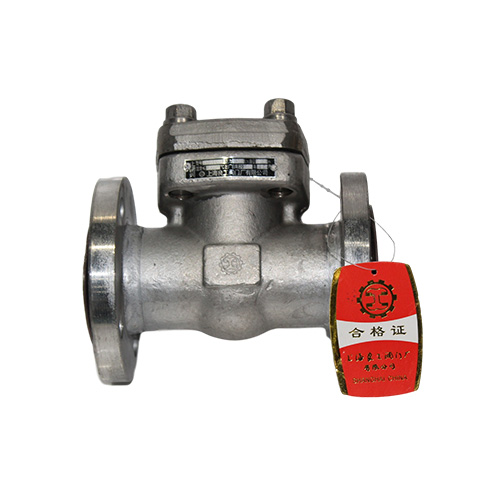
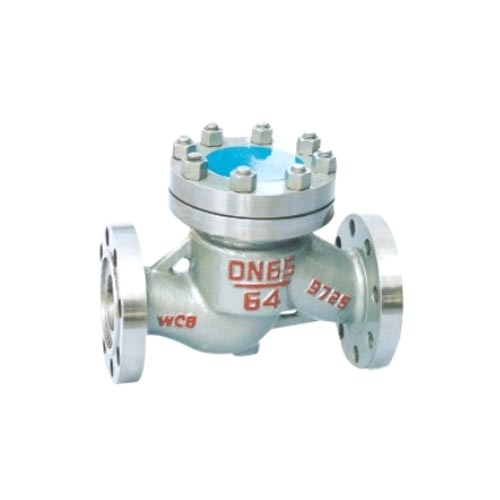
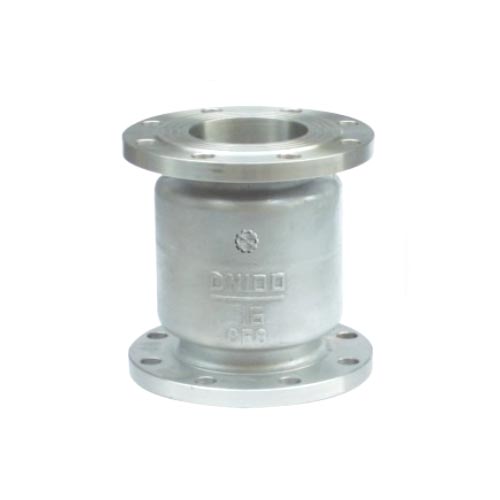
(1)止回阀具有以下特点和优点:■防止倒流:确保系统中流体按照规定的方向流动,避免倒流带来的不良影响,如设备损坏、工艺异常等。■结构简单:通常设计较为简洁,安装和维护相对方便。■适用性广:可用于多种流体介质,如气体、液体等,在众多工业领域和民用领域都有广泛应用。常见的止回阀类型包括升降式止回阀、旋启式止回阀、蝶式止回阀等,不同类型适用于不同的工况和流体特性。在管道系统中,止回阀是保障系统安全稳定运行的重要部件之一。
(1) Check valves have the following characteristics and advantages: ■ Prevent backflow: Ensure that the fluid in the system flows in the specified direction, avoiding adverse effects caused by backflow, such as equipment damage, process abnormalities, etc. ■ Simple structure: The design is usually simple, and installation and maintenance are relatively convenient. ■ Wide applicability: It can be used for various fluid media, such as gases, liquids, etc., and has a wide range of applications in many industrial and civilian fields. Common types of check valves include lift check valves, swing check valves, butterfly check valves, etc., and different types are suitable for different working conditions and fluid characteristics. In pipeline systems, check valves are one of the important components to ensure the safe and stable operation of the system.
(2)止回阀安装时需要注意以下事项:■安装位置:应尽量靠近需要防止倒流的设备或管段。避免安装在可能有沉淀物聚集的地方,以免影响阀瓣动作。■方向正确:一定要确保止回阀的安装方向与流体流向一致,否则无法起到止回作用。■水平或垂直安装:根据止回阀的类型,按照规定的安装方式进行安装,如升降式止回阀一般应垂直安装。旋启式止回阀可水平或垂直安装,但安装在垂直管道上时,流体应自下而上流动。■连接牢固:确保与管道连接紧密,防止出现泄漏。■清理管道:安装前应清理管道内的杂质、焊渣等,以免损坏阀瓣或影响阀的正常工作。■避免附加应力:安装过程中避免给止回阀施加不适当的外力,以免造成变形或损坏。■便于操作和维护:安装位置应方便日后进行操作和检修。■考虑温度和压力:根据系统的工作温度和压力选择合适的止回阀材质和规格,确保其能正常工作。■配套设施:如需要,应同时安装相应的过滤器、切断阀等配套设施,以保障系统的稳定运行。
(2) When installing a check valve, the following precautions should be taken: ■ Installation position: It should be as close as possible to the equipment or pipe section that needs to prevent backflow. Avoid installing in areas where sediment may accumulate to avoid affecting valve disc movement. ■ Correct direction: It is necessary to ensure that the installation direction of the check valve is consistent with the flow direction of the fluid, otherwise it cannot achieve the check function. Horizontal or vertical installation: Install according to the specified installation method based on the type of check valve. For example, lift check valves should generally be installed vertically. Swing check valves can be installed horizontally or vertically, but when installed on vertical pipelines, the fluid should flow from bottom to top. ■ Secure connection: Ensure a tight connection with the pipeline to prevent leakage. Cleaning the pipeline: Before installation, impurities, welding slag, etc. inside the pipeline should be cleaned to avoid damaging the valve disc or affecting the normal operation of the valve. ■ Avoid additional stress: During installation, avoid applying inappropriate external force to the check valve to prevent deformation or damage. ■ Easy to operate and maintain: The installation location should be convenient for future operation and maintenance. Consider temperature and pressure: Select the appropriate check valve material and specifications based on the operating temperature and pressure of the system to ensure its normal operation. Supporting facilities: If necessary, corresponding filters, shut-off valves and other supporting facilities should be installed at the same time to ensure the stable operation of the system.
(3)止回阀常见的故障及维修方法:
(3) Common faults and maintenance methods of check valves:

■常见故障:1. 泄漏:这可能是由于密封件老化、损坏或阀瓣与阀座配合不当引起。2. 阀瓣卡阻:可能是由于杂物堵塞、阀瓣变形或导向部件故障导致。3. 振动和噪音:通常是由于介质流速不稳定、阀门选型不当或安装问题造成。■维修方法:1. 对于泄漏故障,首先检查密封件的状况,如有损坏或老化,及时更换。同时,检查阀瓣与阀座的配合面,如有磨损或损伤,进行修复或研磨。2. 若出现阀瓣卡阻,清除阀内的杂物,对变形的阀瓣进行矫正或更换。修复或更换导向部件,确保阀瓣运动顺畅。3. 针对振动和噪音问题,优化管道系统,稳定介质流速。重新评估阀门选型是否合适,如有必要,更换更适合的止回阀。检查安装是否牢固、正确,进行相应的调整和固定。在进行维修时,务必先关闭相关的管道系统,并排空介质,以确保维修工作的安全进行。
■ Common faults: 1 Leakage: This may be caused by aging, damage to the seal, or improper fit between the valve disc and seat. 2. Valve disc jamming: It may be caused by debris blockage, valve disc deformation, or guide component failure. 3. Vibration and noise: Usually caused by unstable medium flow rate, improper valve selection, or installation problems. ■ Maintenance method: 1 For leakage faults, first check the condition of the seals, and replace them promptly if they are damaged or aged. At the same time, check the mating surface between the valve disc and the valve seat. If there is wear or damage, repair or grind it. If the valve disc is stuck, remove the debris inside the valve and correct or replace the deformed valve disc. Repair or replace the guiding components to ensure smooth movement of the valve disc. 3. Optimize the pipeline system and stabilize the medium flow rate to address vibration and noise issues. Re evaluate valve selection for suitability, and if necessary, replace with a more suitable check valve. Check whether the installation is firm and correct, and make corresponding adjustments and fixes. When carrying out maintenance, it is necessary to first shut down the relevant pipeline system and drain the medium to ensure the safety of the maintenance work.

 企业公告:
企业公告: