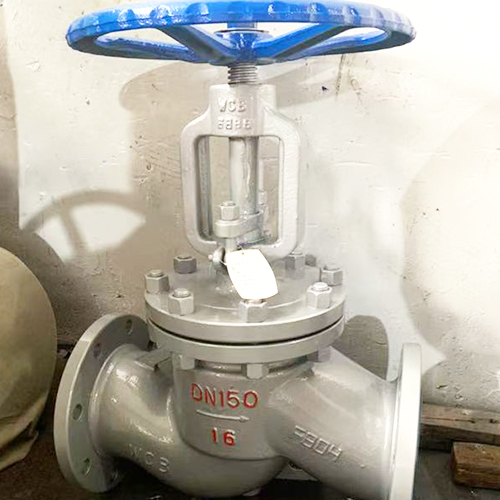
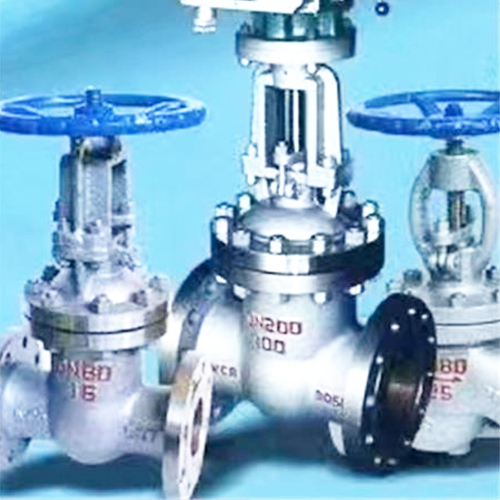
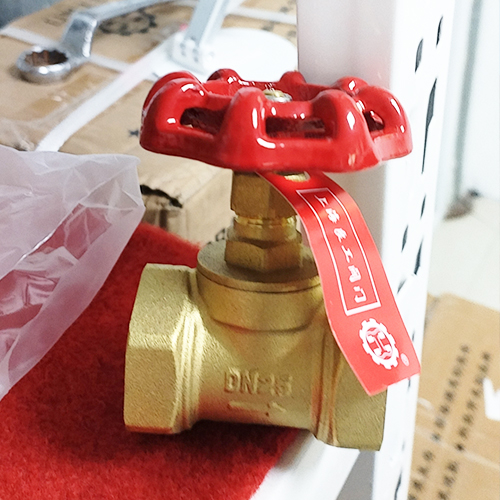
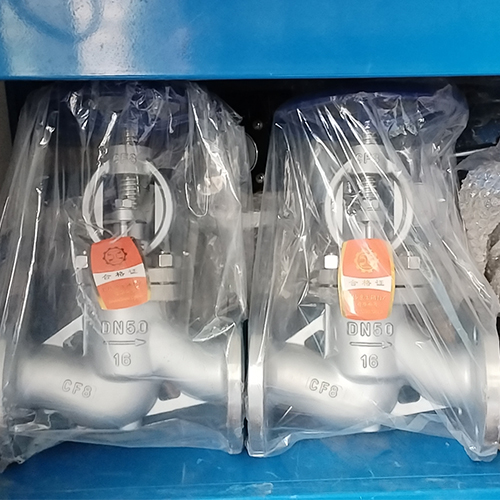
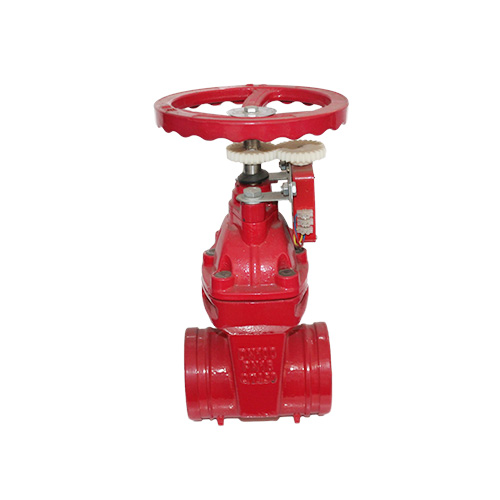
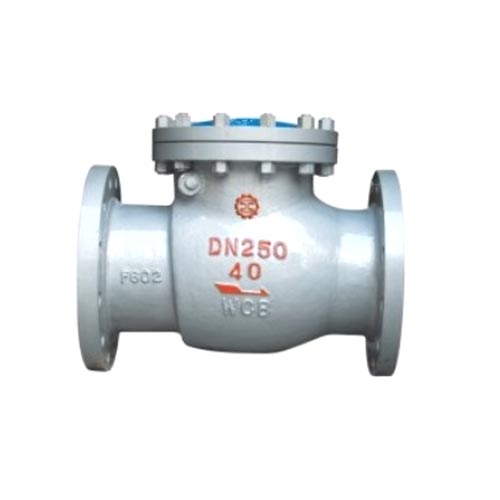
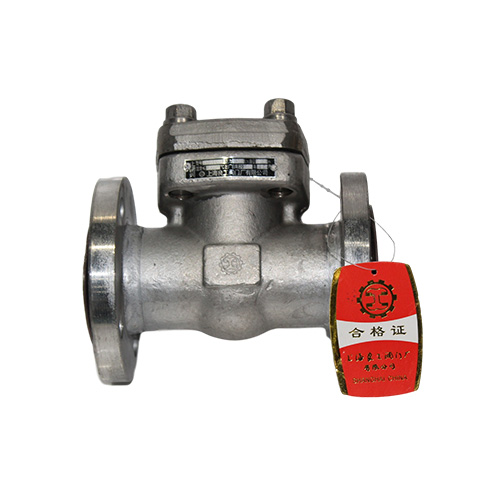
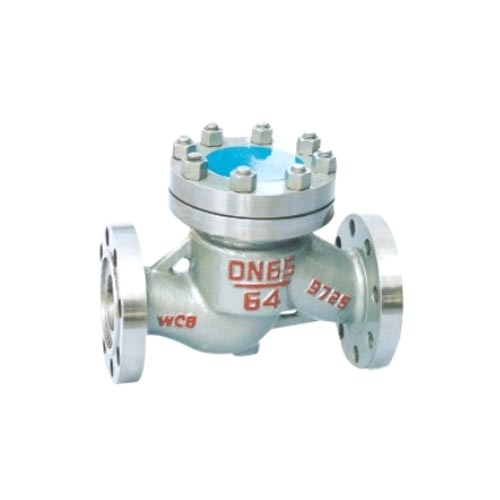
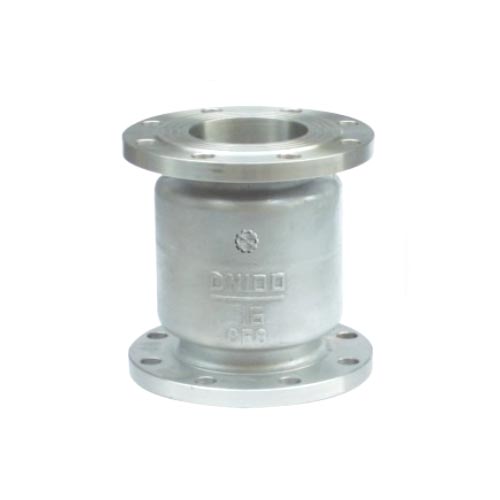
阀门的类型繁多,在废气治理行业应用最为广泛的当属提升阀、平推阀、蝶阀等,阀门泄漏易造成处理超标、运行成本增加、存在安全风险等一系列问题,因此,降低阀门的泄漏率对项目的安全稳定运行至关重要,下面就几种密封形式及检验方法做简要介绍。
There are many types of valves, and the most widely used ones in the exhaust gas treatment industry are lift valves, push valves, butterfly valves, etc. Valve leakage can easily cause a series of problems such as excessive handling, increased operating costs, and safety risks. Therefore, reducing the leakage rate of valves is crucial for the safe and stable operation of projects. Below are several sealing forms and inspection methods briefly introduced.
一、废气治理行业常用阀门类型
1、 Common valve types in the exhaust gas treatment industry
常用的阀门密封类型包括软密封、硬密封、气密封等,一般根据不同介质和应用场景选择合适的密封类型。█?
The commonly used types of valve seals include soft seals, hard seals, airtight seals, etc. Generally, the appropriate seal type is selected according to different media and application scenarios. █?
1.1 ?软密封结构软密封的本质是利用弹性材料(如橡胶、聚四氟乙烯等)的变形能力填充金属密封副间的间隙,实现零泄漏。其技术优势与局限主要体现在以下方面:
1.1 ? The essence of soft sealing structure is to use the deformation ability of elastic materials (such as rubber, polytetrafluoroethylene, etc.) to fill the gaps between metal sealing pairs, achieving zero leakage. Its technological advantages and limitations are mainly reflected in the following aspects:
(1)核心优势1)高密封性弹性材料受压后自适应填充表面不平整处,可达到Ⅵ气泡级密封(泄漏量≤0.15mL/min)。弹性材料的补偿能够降低对阀座/阀瓣加工精度的要求(允许±0.2mm偏差),降低制造成本。2)耐腐蚀性聚四氟乙烯(PTFE)、氟橡胶(FKM)等材料可抵抗酸、碱及有机溶剂腐蚀,寿命较金属密封提升3-5倍。3)维护便捷性模块化设计可实现快速更换密封圈(如燕尾卡槽结构),大幅缩短现场维修时间。
(1) Core advantage 1) High sealing elastic material can adaptively fill uneven surfaces after compression, achieving VI bubble level sealing (leakage rate ≤ 0.15mL/min). The compensation of elastic materials can reduce the requirements for the machining accuracy of valve seats/discs (allowing ± 0.2mm deviation) and lower manufacturing costs. 2) Corrosion resistant materials such as polytetrafluoroethylene (PTFE) and fluororubber (FKM) can resist acid, alkali, and organic solvent corrosion, and have a lifespan 3-5 times longer than metal seals. 3) The modular design for convenient maintenance enables quick replacement of sealing rings (such as dovetail groove structures), greatly reducing on-site repair time.
(2)技术瓶颈1)高温失效橡胶类材料(硅胶/氟橡胶)在200℃以上发生硬化,压缩永久变形率>40%,导致密封性骤降。PTFE虽耐260℃高温,但冷流性导致长期受压后塑性变形。2)机械损伤介质含固体颗粒时,软密封面易被冲刷划伤。阀板启闭瞬间高速流体冲击密封边缘,可能引发材料疲劳剥落。3)过载压溃传统结构无过载保护,关阀力超限将导致弹性材料永久变形。█?
(2) Technical bottleneck 1) High temperature failure rubber materials (silicone/fluororubber) harden above 200 ℃, with a compression permanent deformation rate greater than 40%, resulting in a sudden drop in sealing performance. Although PTFE can withstand high temperatures of 260 ℃, its cold flowability causes plastic deformation after long-term compression. 2) When the mechanical damage medium contains solid particles, the soft sealing surface is easily eroded and scratched. The high-speed fluid impact on the sealing edge during the opening and closing of the valve plate may cause material fatigue peeling. 3) Overloading and crushing traditional structures without overload protection will result in permanent deformation of the elastic material if the closing force exceeds the limit. █?
1.2 ?硬密封结构
1.2 ? Hard sealing structure
硬密封依赖金属精密加工与表面强化,解决软密封的耐压瓶颈:(1)三偏心蝶阀设计1)结构特征阀杆轴线与密封面双偏移+锥角偏心,实现阀板旋转零摩擦接触。2)自锁效应锥角小于摩擦角(通常5°~8°),介质压力越高密封越紧,反向承压能力达10bar。(2)弹性金属阀板与表面处理1)采用双层阀板结构主阀板(例如:316L不锈钢)+弹性副板(例如:Inconel合金),受压时副板变形补偿密封面不平度。2)表面强化工艺阀板表面渗氮处理。配合面研磨精度≤0.05mm。█?
Hard sealing relies on metal precision machining and surface strengthening to solve the pressure resistance bottleneck of soft sealing: (1) Three eccentric butterfly valve design 1) Structural features: Double offset of valve stem axis and sealing surface+cone angle eccentricity, achieving zero friction contact of valve plate rotation. 2) The self-locking effect has a cone angle smaller than the friction angle (usually 5 °~8 °), and the higher the medium pressure, the tighter the seal, with a reverse pressure bearing capacity of up to 10 bar. (2) Elastic metal valve plate and surface treatment: 1) Adopting a double-layer valve plate structure, the main valve plate (such as 316L stainless steel) and the elastic secondary plate (such as Inconel alloy) compensate for the unevenness of the sealing surface when the secondary plate deforms under pressure. 2) Surface strengthening process: nitriding treatment on the surface of the valve plate. The grinding accuracy of the mating surface is ≤ 0.05mm?
1.3 ?气密封结构气密封
1.3 ? Sealed structure with airtight seal
(如干气密封)是一种非接触式密封技术,利用气体动压效应在动部件与静止部件间形成稳定气膜,实现零泄漏隔离。在阀座内部嵌入环形压缩空气腔,通入0.6MPa洁净空气,从密封端面微孔喷出形成气幕屏障。该设计实现:1)动态隔离:阻断废气接触密封面,减少腐蚀。2)自动补偿:气压自适应密封面磨损,维持恒定密封比压。
Dry gas seal is a non-contact sealing technology that utilizes the gas dynamic pressure effect to form a stable gas film between moving and stationary components, achieving zero leakage isolation. Insert an annular compressed air chamber inside the valve seat, introduce 0.6MPa clean air, and spray it out from the micro holes on the sealing end face to form an air curtain barrier. This design achieves: 1) Dynamic isolation: blocking exhaust gas from contacting the sealing surface and reducing corrosion. 2) Automatic compensation: The air pressure adapts to the wear of the sealing surface, maintaining a constant sealing pressure ratio.
二 、阀门泄漏检验方法█??
2、 Valve leakage inspection method █??
2.1 ?检验标准与泄漏等级要求根据GB/T 4213-2024、GB/T 13927-2022等标准规范,阀门泄漏等级分6级(Ⅰ-Ⅵ),RTO/RCO切换阀需满足Ⅳ级(硬密封)或Ⅵ级(软密封)█ ?
2.1 ? According to the inspection standards and leakage level requirements of GB/T 4213-2024, GB/T 13927-2022 and other standard specifications, the valve leakage level is divided into 6 levels (I-VI), and the RTO/RCO switching valve needs to meet level IV (hard seal) or level VI (soft seal) █?
2.2 ?测试介质与压力设定
2.2 ? Test medium and pressure setting
(1)介质选择1)软密封阀:洁净空气/氮气(Ⅵ级气泡法)或水(Ⅳ级流量法);2)自动补偿:空气(Ⅳ级)。(2)测试压力1)静态保压:6-10kPa;2)动态模拟:1.5倍工作压差(最高≤0.35MPa)。
(1) Medium selection 1) Soft seal valve: clean air/nitrogen (VI level bubble method) or water (IV level flow method); 2) Automatic compensation: Air (Level IV). (2) Test pressure 1) Static holding pressure: 6-10kPa; 2) Dynamic simulation: 1.5 times the working pressure difference (maximum ≤ 0.35MPa).
三、泄漏率计算与判定Ⅵ级
3、 Leakage rate calculation and determination level VI
(软密封)最大允许泄漏量:3×10⁻³×Δp×K
(Soft seal) Maximum allowable leakage: 3 × 10⁻³ × Δ p × K
Δp:阀前后压差(kPa)
Δ p: pressure difference before and after the valve (kPa)
K:泄漏率系数(查表3.1-1)
K: Leakage rate coefficient (refer to Table 3.1-1)
通过最大允许泄漏量换算气泡数,实际气泡数低于换算气泡数合格,高于则不合格。
Convert the number of bubbles based on the maximum allowable leakage rate. If the actual number of bubbles is lower than the converted number, it is qualified. If it is higher than the converted number, it is unqualified.
阀门低泄漏的本质,是以结构创新结合材料特性,用冗余设计应对工况突变。在环保要求与能效升级的双重驱动下,阀门密封技术已从单一部件创新迈向“结构+材料”系统化集成,青岛西子环保研究院有限公司研制的提升阀通过特殊的结构及材料优化,将阀门的泄漏率控制在(V级/VI级),有效保证废气治理设施的安全达标及稳定长周期运行。
The essence of low leakage in valves is to combine structural innovation with material characteristics and use redundant design to cope with sudden changes in operating conditions. Under the dual drive of environmental protection requirements and energy efficiency upgrades, valve sealing technology has moved from single component innovation to "structure+material" systematic integration. The lift valve developed by Qingdao Xizi Environmental Protection Research Institute Co., Ltd. controls the valve leakage rate at (V/VI level) through special structural and material optimization, effectively ensuring the safety compliance and stable long-term operation of exhaust gas treatment facilities.


 企业公告:
企业公告: